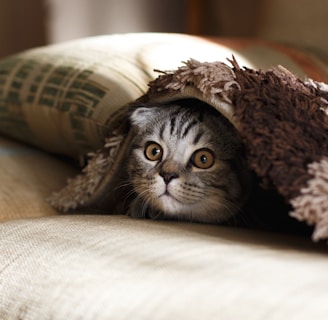
Are you & your Kitty prepared for Fireworks?
Bella + Dukes advisor, Jude McCoy, provides some helpful tips on how to prepare your Kitty for firework season.


What you need to know about cats and fireworks by Jude McCoy - Advisor at Bella + Duke.
Cats can find Bonfire night and New Year’s Eve scary. They have no idea why their normally peaceful evenings are suddenly filled with loud bangs and sudden flashes. If your cat has previously become anxious around Fireworks Night, it’s really important to make sure that you try to make it as stress-free as you can this year.
If your cat gets scared by fireworks, the best time to contact your vet for a referral to a feline behaviourist is in January – after the New Year’s fireworks or as soon as possible before they start up again in November. That way, you’ll have plenty of time to ensure they will be calmer and less stressed during the next fireworks season.
If you’re not sure how your kitten or new cat feels about Fireworks Night, or even if your cat has previously been okay, it’s a good idea to set your home up to give them every chance possible to stay calm and relaxed about it.
Why are cats scared of fireworks?
Cats are scared of fireworks for a few reasons. Cats have an acute sense of hearing, and they aren’t fans of loud noises in general. The sudden, sharp bangs and high pitched whistles of fireworks are both loud and unpredictable which can make cats fearful. Your cat may associate sudden loud noises with danger.
The bright flashes of light can also be frightening and disorientating.
Cats have an acute sense of smell, and the scent of gunpowder and burning can be scary for them.
13 tips for keeping your cat safe and calm during fireworks
There are lots of things you can do for your cat’s safety during this time of the year. We split these tips up into two parts: preparational steps and those that should be done on Bonfire Night or New Year’s Eve.
Preparing your house for fireworks
The next 5 tips will help you get your house ready for firework season to ensure it’s a stress-free haven for your cat. These should be done before the fireworks season starts in November.
Consider using a Feliway pheromone or a Pet Remedy plug in to help your cat relax.
Make sure your cat’s microchip or collar details are up to date. This way, if they do get scared and run, it’s easier to reunite you with them.
Lock the catflap so they can’t sneak out.
Create some hidey holes and comfy resting spots several weeks in advance so your cat is used to them and knows where they are.
If your cat doesn’t normally have a litter tray, pop one down a few weeks beforehand so it doesn’t appear with the fireworks, and they can get used to using it.
What to do on the night itself
With these quick steps on the day, cats and fireworks night might become less of a problem for you:
Keep your cat in from well before dark (provide a litter tray so they don’t need to go outside) and secure windows, doors and cat flaps
Close the curtains so they can’t see the flashes
Turn the TV or radio on to mask the sounds
Try to act normally and calmly (even if you don’t like fireworks yourself)
If your cat is relaxed, try playing a game with them (here are some fun games for cats to play), giving them tasty treats like sprats or venison treats or offering them a filled puzzle feeder with their favourite raw cat food.
If your cat is fearful and they want to sit on or by you, that’s fine – offer them the comfort they need.
But also let your cat hide if they want to. Cats especially like high-up places and hidey holes.
Don’t punish your cat for any odd or fearful behaviour.
Signs your cat is scared of fireworks
Cats that are frightened by fireworks might react in a number of different ways – and even the most laid back kitty can be stressed by fireworks. Watch out for these behaviours, which can indicate that your cat is stressed:
Jumping, appearing startled
Running away and hiding somewhere
Toileting outside of the litter tray
Excessive grooming
Loss of appetite
Restless, pacing
Fur standing on end
Ears flat to their head with head lowered
Wide eyes and fully dilated pupils
Hissing, growling and spitting
Tail either tucked under, or thrashing from side to side
Crouched posture
Lashing out with claws
We hope these tips will help you keep your cat as calm and safe as possible during fireworks.
Need further advice?
Try our Advice Page for quick hints to help your furry feline. Or drop us a question via our contact form on the 'Contact Us' page and we will try our best to get you answers.